
Collagen supplements seem to be everywhere—from protein powders to capsules promising glowing skin and stronger nails. With so many claims and choices, it’s easy to wonder whether adding collagen to your daily routine is actually worth it. Here’s what the research says, plus practical advice on choosing the right supplement if you decide to try it.
What Is Collagen and Why Does It Matter?
Collagen is the most abundant protein in your body, forming the scaffolding for your skin, hair, nails, and joints. Production starts to decline as early as your mid-20s, which can lead to dryness, loss of elasticity, and the first signs of wrinkles. That’s the main reason collagen supplements are marketed for beauty and wellness.
You can’t stop natural aging, but boosting your collagen intake might help offset some of the visible changes. The science isn’t definitive, but several studies point to modest benefits for skin and hair when supplementing with collagen peptides, especially for those noticing early signs of aging.
Do Collagen Supplements Actually Improve Skin and Hair?
Clinical studies show that supplementing with collagen peptides can help reduce wrinkles and improve skin elasticity over time. Some research also points to thicker hair and stronger nails, especially with bovine collagen peptides or hydrolyzed marine collagen.
For anyone struggling with fine lines or thinning hair, a collagen supplement may offer a real boost. Results aren’t instant—most research suggests it takes at least 8 to 12 weeks to notice visible changes.
Vital Proteins Collagen Peptides Powder is a popular choice for those seeking an unflavored, easily dissolved option that can be mixed into coffee or smoothies. It’s made from bovine collagen peptides, which have been studied for their effects on skin elasticity and hair thickness.
 Check out this product →
Choosing the Right Type and Source of Collagen
Different types of collagen target different concerns. Type I collagen (from bovine or marine sources) is best for skin, hair, and nails. Type II (often from chicken cartilage) is used for joint health. Multi-collagen blends combine several sources, aiming to cover all bases.
If you want something convenient for travel or dislike powders, capsules are a straightforward option. Multi-collagen blends may suit those who want broad benefits without worrying about specific types.
Vital Vitamins Multi Collagen Peptides Complex packs five types of collagen into pill form, making it a practical choice for anyone who wants a supplement covering skin, hair, nail, and joint support in one daily dose.
 Check out this product →
What Quality Standards Should You Look For?
Quality matters more than ever with supplements. Collagen products should be produced in cGMP-certified facilities and ideally be third-party tested for purity and safety. Some U.S. brands have tested positive for contaminants like arsenic or lead, so certifications help ensure you get what you pay for.
Pharmaceutical grade supplements are manufactured with strict standards, which means they’re purer and more reliable. Always check for third-party testing and avoid products with unnecessary additives or exaggerated claims.
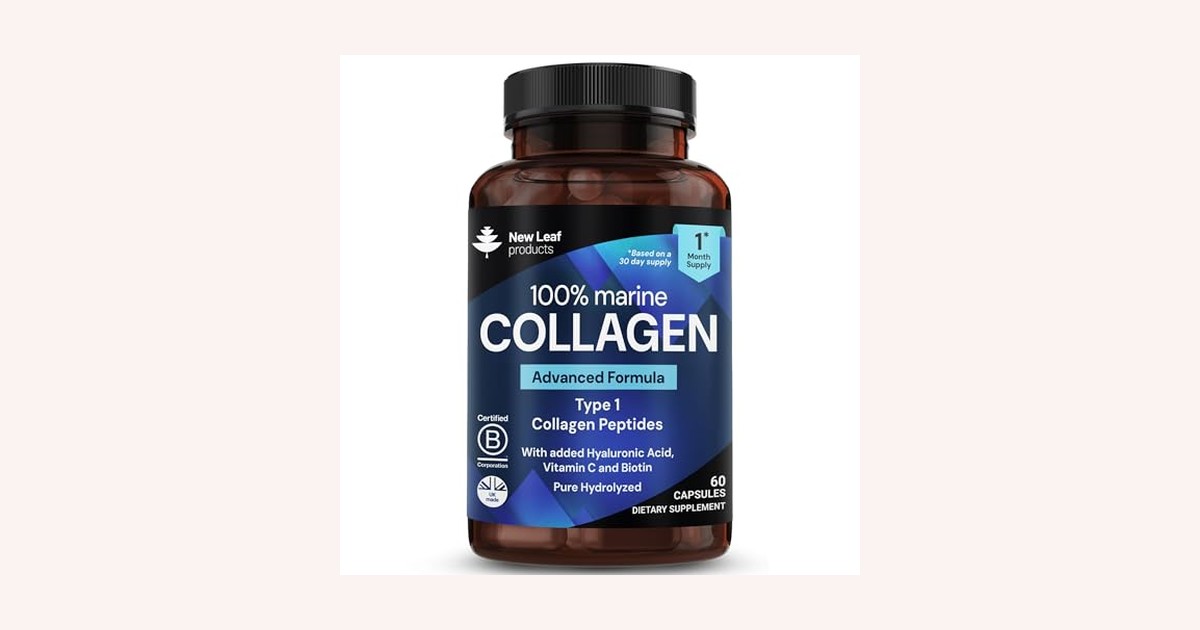
Pure Marine Collagen Supplements offer hydrolyzed marine collagen with added hyaluronic acid, vitamin C, and biotin—all ingredients commonly linked to skin and nail health. The UK-made capsules are produced in a facility following high quality standards, which helps ensure safety and effectiveness.
 Check out this product →
Are Collagen Supplements Safe—and Who Should Skip Them?
For most healthy adults, collagen supplements are safe when taken as directed. Allergies are rare, but those who react to beef, fish, or eggs should check the source of their collagen carefully. If you’re pregnant, breastfeeding, or taking medication, talk to your doctor before starting any supplement.
Collagen isn’t a substitute for a balanced diet or medical treatments. Skip supplements if you’re looking for dramatic results or quick fixes. The benefits are subtle and build slowly. If you prefer getting nutrients from food, bone broth, lean meats, and fish are natural sources of collagen.
Final thoughts
Collagen supplements aren’t magic, but they can offer real improvements for skin, hair, and nail health, especially if you’re noticing early signs of aging. Choosing a high-quality product that fits your lifestyle matters more than chasing bold claims. If you decide to try collagen, stick with it for at least two months and focus on supplements backed by third-party testing. For many, collagen is worth it—but only if you weigh the science and choose wisely.