
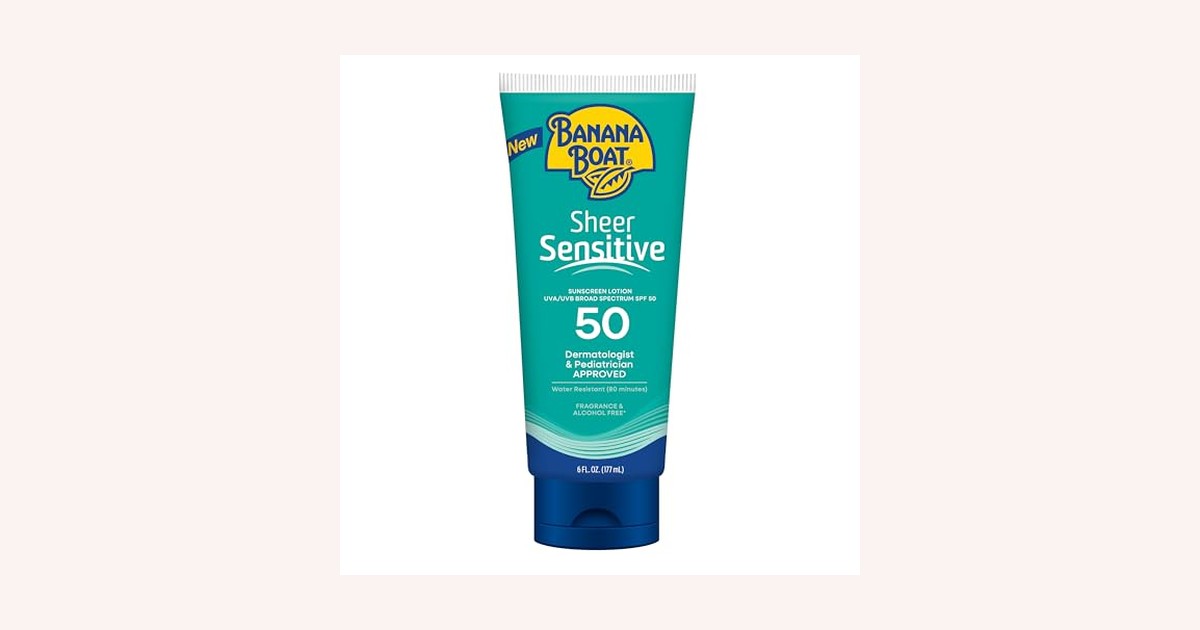
A healthy skin barrier is your first defense against dryness, irritation, and environmental stressors. If your skin feels tight, flaky, or extra sensitive, it’s likely your barrier needs a reset. Building a simple repair routine can make a visible difference in comfort and resilience within days.
Recognize When Your Skin Barrier Needs Help
The skin barrier, technically called the stratum corneum, is a thin layer of lipids and cells that keeps moisture in and irritants out. When it’s compromised—due to harsh products, over-exfoliation, or environmental factors—skin can become dry, red, and more prone to breakouts. Signs like persistent tightness, stinging after applying products, or sudden sensitivity are clues that your barrier needs attention. At this stage, less is more. Pause strong actives like retinoids, AHAs, BHAs, and vitamin C, and focus on gentle formulas.
Start with a Gentle, Hydrating Cleanser
Cleansing is essential, but harsh washes can strip away protective lipids and worsen irritation. Look for creamy, non-foaming cleansers designed for sensitive skin. These formulas remove dirt and makeup without leaving your skin tight or dry. Avoid fragrance, alcohol, and aggressive scrubs, which introduce unnecessary stress during the repair phase. Stick to lukewarm water and pat your face dry with a soft towel.
 Check out this product →
Replenish Lipids and Hydration with a Barrier-Friendly Moisturizer
Moisturizing is the cornerstone of skin barrier repair. Choose a cream that contains ceramides, fatty acids, and cholesterol—the lipid trinity your skin needs to rebuild its defenses. Ingredients like hyaluronic acid and niacinamide support hydration and calm inflammation. Barrier repair creams should be fragrance-free, non-comedogenic, and formulated for sensitive skin. Apply moisturizer immediately after cleansing to lock in water and reinforce the skin’s natural shield. You’ll notice plumper, more comfortable skin within a few days, and long-term use will help prevent recurring dryness.
 Check out this product →
Shield Your Skin from UV Damage Every Morning
A compromised skin barrier leaves your skin more vulnerable to sunburn and irritation, so daily sunscreen becomes non-negotiable. Broad-spectrum formulas with at least SPF 30 are essential, even for short trips outside. Sunscreens that cater to sensitive skin and include soothing ingredients like niacinamide add another layer of protection. Reapply if you spend extended time outdoors. This step not only guards against UV rays, but also helps prevent further barrier degradation.
Skip chemical sunscreens if you’re experiencing extra sensitivity. Look for mineral options or those labeled for sensitive skin, and check that the formula is non-irritating.
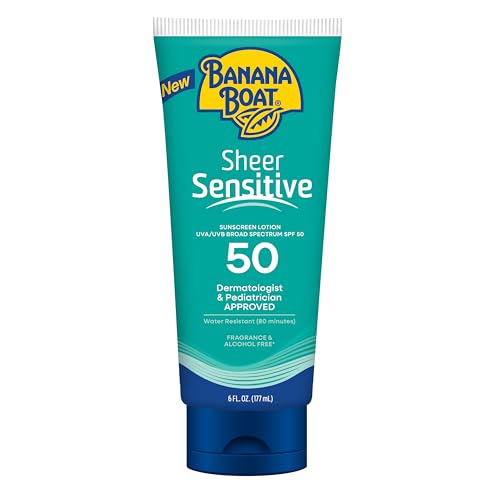 Check out this product →
Avoid Common Irritants and Over-Exfoliation
During barrier repair, it’s crucial to cut out products that can trigger inflammation or slow healing. Retinoids, exfoliating acids (like AHAs and BHAs), and vitamin C serums are best saved for later. Alcohol-based toners, astringents, and heavily fragranced products are a leading cause of contact sensitization. Over-exfoliating physically removes the protective layer faster than it can rebuild, so pause scrubs and peels. Sticking with a pared-down routine helps you pinpoint what works and gives your skin space to recover.
Be Patient and Consistent
Skin barrier repair is not instant. Most routines need at least one to two weeks to show improvement, and full recovery can take a month or more. Resist the urge to switch products frequently—consistency lets your skin rebuild and heal. If irritation persists or worsens, consult a dermatologist for targeted care. Once your barrier feels strong again, you can gradually reintroduce actives at a lower frequency.
Final thoughts
Restoring your skin barrier means simplifying your routine and focusing on hydration and protection. With gentle cleansing, a barrier-repairing moisturizer, and daily sunscreen, your skin can recover its strength and comfort. Stick with these basics, and you’ll create a foundation for healthier, more resilient skin.