
Glossy, almost mirror-like glass skin has dominated beauty feeds for years, but lately, a softer look—cloud skin—has started drifting in. Both are rooted in K-Beauty, but their finishes and routines couldn’t be more distinct. Here’s what actually separates these two trends, and how you can try each.
What Is Glass Skin? The Dewy Standard
Glass skin is all about achieving a luminous, translucent glow that looks almost wet. This trend puts hydration front and center, aiming for skin that’s plump, poreless, and reflective. The routine typically starts with gentle exfoliation using products rich in alpha hydroxy acids (AHAs) like glycolic or lactic acid. These chemical exfoliants clear away dullness without irritation, making the skin look smoother and ready to absorb moisture.
After exfoliation, layering hydrating serums and moisturizers is key. Think lightweight, water-packed formulas that soak in rather than sit on the surface. The goal is to build up moisture for that signature radiance, not mask it with heavy creams.
 Check out this product →
Cloud Skin: Matte, But Not Flat
Cloud skin offers a softer, velvety finish—a gentle matte that diffuses light rather than reflecting it. Instead of chasing a high-gloss glow, cloud skin focuses on creating a blurred, soft-focus effect. The look is less about shine and more about a healthy, even texture.
This trend doesn’t mean dry or powdery. Cloud skin routines start with primer chemistry: silicone-based primers help blur pores and create a smooth canvas. Lightweight moisturizers are still important, but the emphasis shifts toward controlling shine and layering textures that support a plush, matte finish.
 Check out this product →
Why Hydration Is the Foundation for Both
No matter which trend you’re aiming for, hydration is non-negotiable. Glass skin relies on intense moisture for its reflective quality, but cloud skin also needs hydrated, healthy skin to avoid looking dull or patchy. Even matte finishes benefit from a plump base.
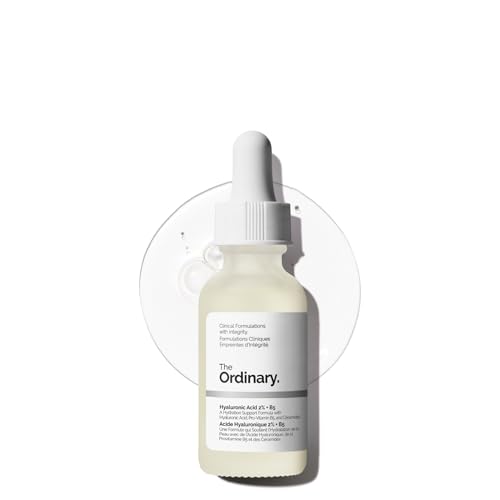
Serums with hyaluronic acid are especially effective here, pulling water into the skin and smoothing out fine lines. When skin is well hydrated, both glass and cloud finishes come out cleaner and more natural.
Setting the Glow: Dewy vs Soft-Focus
Once you’ve prepped your skin, the way you set your makeup makes all the difference. For glass skin, look for setting sprays or creams that lock in dewiness without weighing skin down. These products help preserve the wet glow throughout the day.
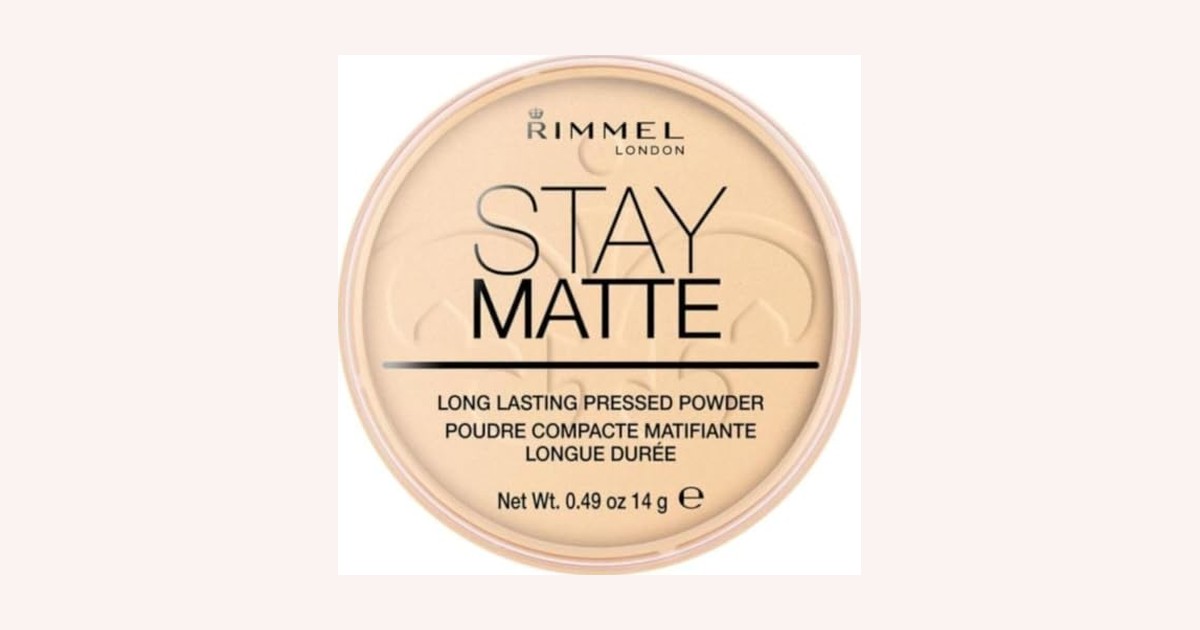
For cloud skin, a light touch of powder sets the look. The trick is to use powders that mattify without caking or flattening the complexion. Blurring powders can soften imperfections and enhance that plush, cloud-like vibe.
 Check out this product →
Skin Type and Shade Considerations
Glass skin tends to flatter dry and normal skin types, especially those who want to amplify glow and minimize texture. For deeper skin tones, the glass skin effect can look especially radiant, catching the light beautifully. Cloud skin, with its matte but soft finish, suits oily or combination skin that needs shine control without losing dimension.
If your skin is prone to oiliness or larger pores, cloud skin is often easier to maintain throughout the day. For those who prefer a high-gloss highlight, glass skin delivers that extra pop.
How to Choose: Your Routine, Your Glow
If you love the idea of luminous, almost mirror-like skin, glass skin is worth the extra hydration steps and layering. Aim for gentle exfoliation, hydrating serums, and dewy setting sprays. If your goal is a soft, plush finish that stays matte but not lifeless, cloud skin is more forgiving—especially for busy routines or humid climates. Silicone-based primers and blurring powders make cloud skin achievable and wearable.
Experiment with both styles, adjusting your routine based on the season, your skin’s needs, and the occasion. The glow you choose is all about what feels right for you.
Final thoughts
Glass skin and cloud skin both celebrate healthy, cared-for skin—they just approach the glow differently. Whether you reach for dewy serums or soft-focus powders, the right technique can make your complexion look polished and fresh without feeling overdone. Try each trend, tweak your routine, and let your skin’s natural beauty shine through in the way that suits you best.